How to Choose the Right Thyroid Specialist in Singapore
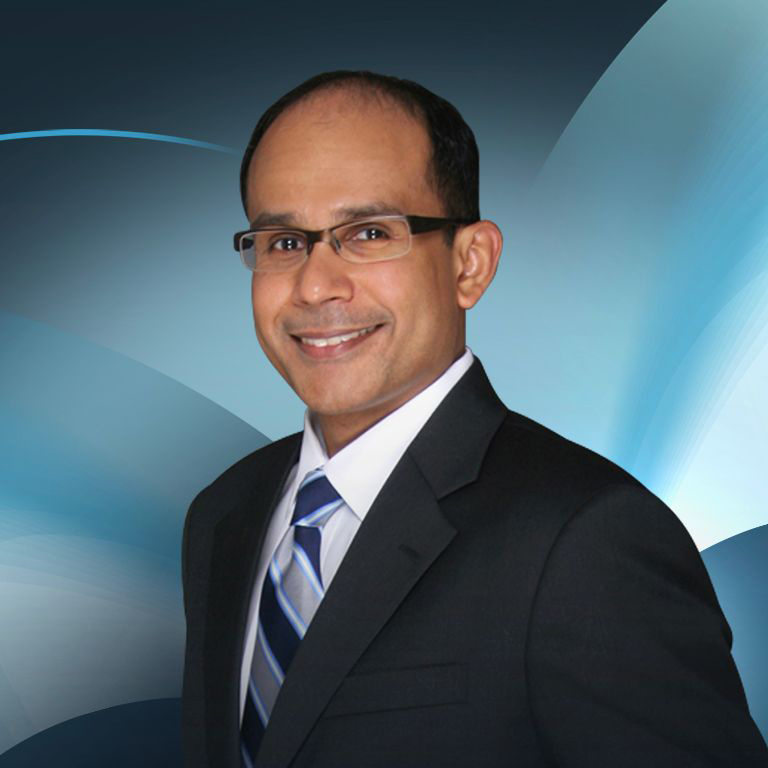
Dr Ranjiv Sivanandan
Head & Neck and Thyroid Surgeon
MBBS (Singapore), FRCS (Edinburgh), MMEd (Surgery), FAMS
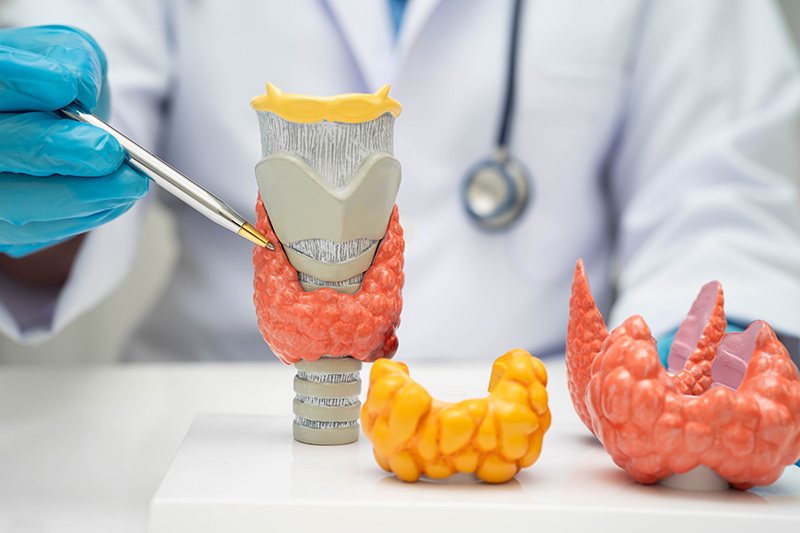
The thyroid gland, located at the base of the neck, plays a key role in regulating many functions of the body through hormone production. These hormones affect how your body uses energy, influencing everything from your heart rate to your weight and mood.
Conditions such as hyperthyroidism, hypothyroidism, thyroid nodules or thyroid cancer can all affect the function of this gland, throwing your body's natural rhythms out of balance. It is important to receive careful evaluation and management for these conditions, and by working with a thyroid specialist, you may be able to obtain an accurate diagnosis and treatment plan that supports your overall health.
From medical management to surgical intervention, choosing the right thyroid specialist is an important step in receiving care that is both appropriate and effective.
What Should You Look for in a Thyroid Specialist?
When deciding on a doctor to entrust your healthcare to, it is important to consider the doctor's qualifications, approach to care and the accessibility of the clinic.
Here are some key traits you should look for in a thyroid specialist in Singapore:
Specialist Experience in Thyroid Conditions
It is important to look beyond general medical training and consider a doctor's specific experience in managing thyroid disorders. This may include endocrinologists or head and neck surgeons who regularly diagnose and treat conditions such as thyroid nodules, hyperthyroidism and thyroid cancer. A doctor with focused experience in this area is more likely to recognise subtle differences between conditions and recommend appropriate, evidence-based treatment options.
Experience and Reputation
A specialist's experience and professional reputation can provide additional confidence in your choice. Doctors who are actively involved in treating thyroid conditions, contributing to clinical research or participating in professional medical communities often demonstrate a deeper focus in this field. Patients may also refer to reputable healthcare directories or hospital listings in Singapore to identify specialists with relevant experience in thyroid care.
Communication Skills
Effective medical care relies on clear communication. Thyroid disorders can be complex, involving intricate hormonal balances and varying treatment protocols. A specialist should be able to explain diagnoses, test results and treatment options in clear, non-technical language. Patients should feel comfortable asking questions and should leave consultations with a clear understanding of their condition and the proposed management plan.
Accessibility
Managing a chronic condition or undergoing surgery requires regular follow-ups. Therefore, the location of the clinic and the availability of the specialist are practical considerations. Patients should consider the ease of scheduling appointments and the clinic's responsiveness to enquiries. A specialist who is accessible helps ensure continuity of care, which is vital for monitoring progress and adjusting treatments as necessary.
What to Ask Your Thyroid Specialist During Your First Consultation
Asking questions during your initial consultation can help you better understand your condition and treatment options. It also allows you to clarify your specialist's recommendations and know what to expect moving forward.
You may consider asking the following questions:
What Could Be Causing My Symptoms?
Understanding the possible causes of your symptoms helps clarify whether they are related to a thyroid condition or another underlying issue. Your doctor can explain how your symptoms align with your diagnosis.
What Tests Will I Need to Undergo?
Thyroid assessment typically involves a combination of thyroid function tests, ultrasound imaging, and occasionally, fine-needle aspiration biopsies. Knowing which tests are required in the future helps patients prepare for any necessary procedures ahead of time.
What Treatment Options Are Suitable for Me?
Treatment can vary depending on your condition and its severity. These may include medication, monitoring or surgery. Your doctor can advise on the most appropriate approach based on your individual needs.
How Often Will Follow-Up Appointments Be Needed?
Thyroid conditions often require ongoing monitoring. A clear timeline for follow-up appointments is important for monitoring the effectiveness of treatment and making necessary dosage adjustments. Knowing the frequency of visits helps patients plan their schedule and maintain continuity of care.
When Should You See a Thyroid Specialist?
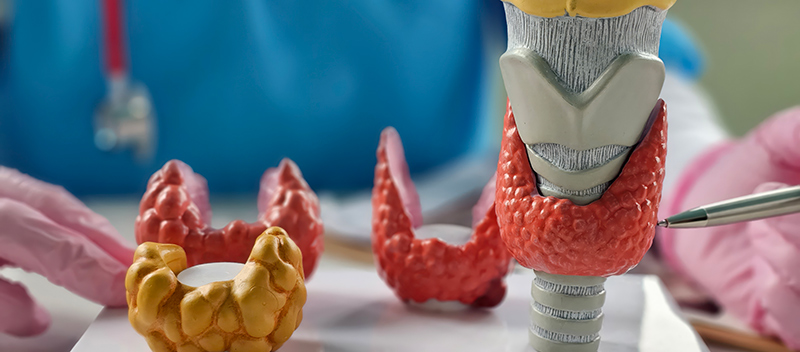
Recognising when to seek specialist care is an important part of managing thyroid health. Persistent symptoms such as unexplained weight changes, fatigue, neck swelling or difficulty swallowing may warrant further evaluation by a thyroid specialist that you trust. Early assessment can help identify underlying conditions and guide appropriate treatment before complications develop.
At the Thyroid Head & Neck Surgery Centre, patients receive personalised care tailored to their specific condition and needs. Consultations are supported by detailed evaluation, with clear explanations provided at each stage so you can make informed decisions about your health. Care is led by Dr Ranjiv Sivanandan, an accredited general surgeon who is experienced in thyroid and head & neck surgery, including the management of complex thyroid conditions.
If you are looking for a thyroid specialist, contact our clinic today to schedule a consultation and find out more about how we provide treatment.
Meet Our Thyroid Specialist in Singapore
Dr Ranjiv Sivanandan
Head & Neck and Thyroid Surgeon
MBBS (Singapore), FRCS (Edinburgh), MMEd (Surgery), FAMS
Dr Ranjiv Sivanandan is an accredited general surgeon with a dedicated focus on thyroid and complex head and neck surgery. With over two decades of experience, he has managed a wide range of conditions, including thyroid nodules, thyroid cancer and other head and neck disorders.
Dr Ranjiv is recognised for his expertise in advanced surgical techniques, particularly in robotic thyroid and head and neck surgery. He performed the first robotic thyroidectomy in Singapore and the first robotic neck dissection in Southeast Asia, reflecting his commitment to minimally invasive approaches and surgical innovation. His clinical work is complemented by involvement in research and education, including roles at the National Cancer Centre and the National University of Singapore.
In his clinical practice, Dr Ranjiv adopts a patient-centred approach, ensuring that each individual is fully informed of evidence-based treatment options and actively involved in decision-making. His focus is on delivering personalised care and achieving optimal outcomes for every patient.